Preventing Roaster Fan Failure and Protecting Product Quality
in Industrial Bakery Operations

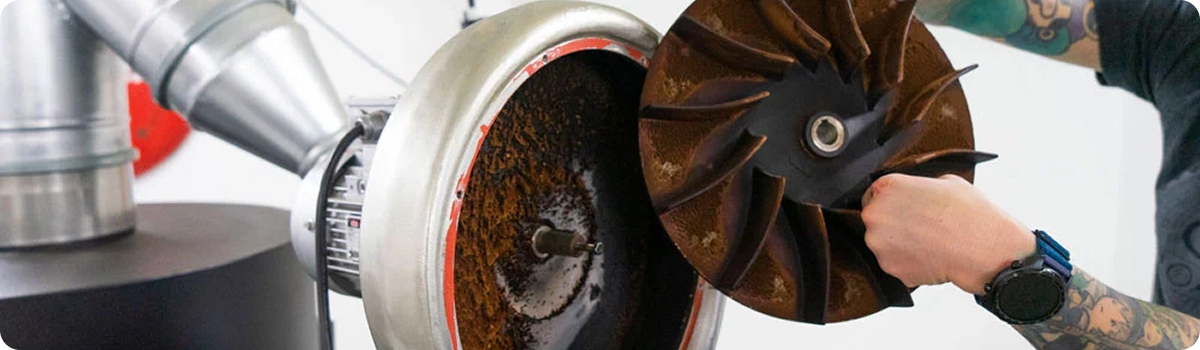
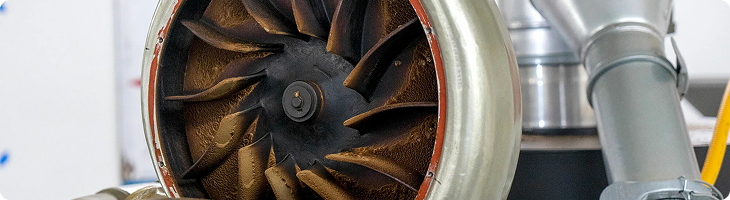
A high-capacity industrial bakery implemented Industrial Matrix
condition monitoring within the AI Suite™ ecosystem to safeguard
the performance of its roaster circulation fan, a critical asset
responsible for consistent roasting temperature and airflow.

Early detection of imbalance and bearing deterioration enabled a
controlled replacement during planned downtime, resulting in zero
unplanned stoppage and approximately $8,300 in cost avoidance,
while stabilizing product quality.

The Challenge

The roaster circulation fan operates under intense conditions:

  • High temperature

  • Continuous duty cycles

  • Exposure to debris

  • Demanding food-safety and HACCP controls

When imbalance or bearing wear occurs, risks include:

  • Unscheduled downtime costing $4,000–$6,000 per hour

  • Inconsistent roasting temperatures and damaged product batches

  • Escalating energy consumption

  • Limited maintenance flexibility

The bakery required a predictive maintenance system capable of detecting early mechanical degradation before it impacted throughput or quality.

The Solution

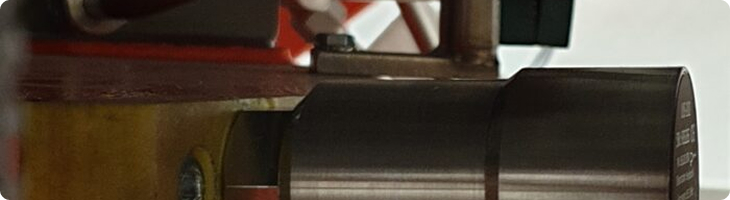
Wireless vibration and temperature sensors were installed on the roaster’s circulation fan and connected into the Industrial Matrix AI Suite™ ecosystem.

This delivered:

  • Continuous monitoring of vibration velocity and frequency patterns

  • Early detection of imbalance and bearing wear

  • Automated anomaly alerts for trending deterioration

  • Expert validation from Industrial Matrix reliability specialists

  • A scheduled, controlled intervention instead of an emergency shutdown


Data-driven decision-making became central to roaster reliability.

Findings & Action Plan

Phase

Insight

Action

Result

Detection

December 22 - Sudden velocity spike indicating imbalance and bearing stress.Gradual rise in vibration amplitude over two weeks, followed by a rapid spike.

AI alert verified by Industrial Matrix experts.

Early identification of developing failure.

Diagnosis

Rising vibration acceleration confirmed progressive deterioration.

Recommendation for proactive mechanical replacement.

Clear fault source confirmed.

Intervention

January 19 - Fan replaced during scheduled downtime.

Controlled maintenance without production impact.

Vibration levels dropped to a stable baseline.

Verification

Post-replacement data confirmed corrected airflow and mechanical stability.

Continuous monitoring resumed.


Full resolution; risk completely eliminated.

Total ROI

Metric

Before Monitoring

After Intervention

Impact

Downtime Risk

High likelihood of unscheduled failure

Prevented

100% uptime maintained

Downtime Cost

$4,200 × 3 hours

$0

≈$8,300 protected

Product Quality

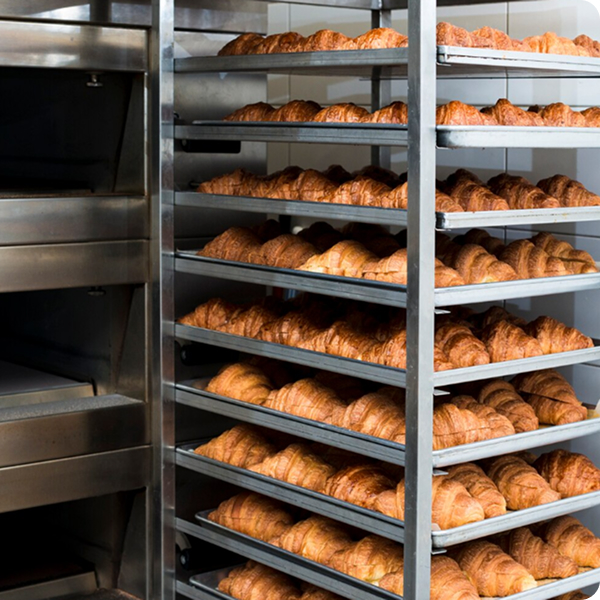
At risk due to inconsistent airflow

Stable roasting performanceEliminated

Uniform product quality

Energy Efficiency

Declining due to fan imbalance

Optimized load

5–10% improvement

Strategic Insights

Predictive maintenance protected both equipment performance and cold-chain inventory.

AI + human validation delivered accuracy and confidence in maintenance decisions.

Stable fan operation improved temperature consistency, directly benefiting product quality.

Proactive scheduling supported HACCP, GMP, and food-safety compliance.

Energy savings reinforced sustainability and operational efficiency goals.

Long-Term Impact

This success accelerated wider adoption

of the Industrial Matrix approach across:

Mixers

Proofers

Ovens

Conveyor lines

Cooling systems

The bakery established a unified

predictive maintenance framework, resulting in:

Lower downtime across production

Improved asset
longevity

Reduced energy
consumption

Stronger customer
confidence through consistent product quality

Predictive maintenance became a strategic pillar of operations.

Conclusion

By detecting early imbalance and bearing wear on a critical roaster fan, the bakery prevented costly downtime and protected both product quality and production continuity.
 Industrial Matrix condition monitoring transformed what could have been a disruptive equipment failure into a controlled, data-backed reliability success.

Protect airflow. Protect quality.
Protect your schedule.